This article is for general information only, not legal advice. Laws and outcomes vary by state and by facts.
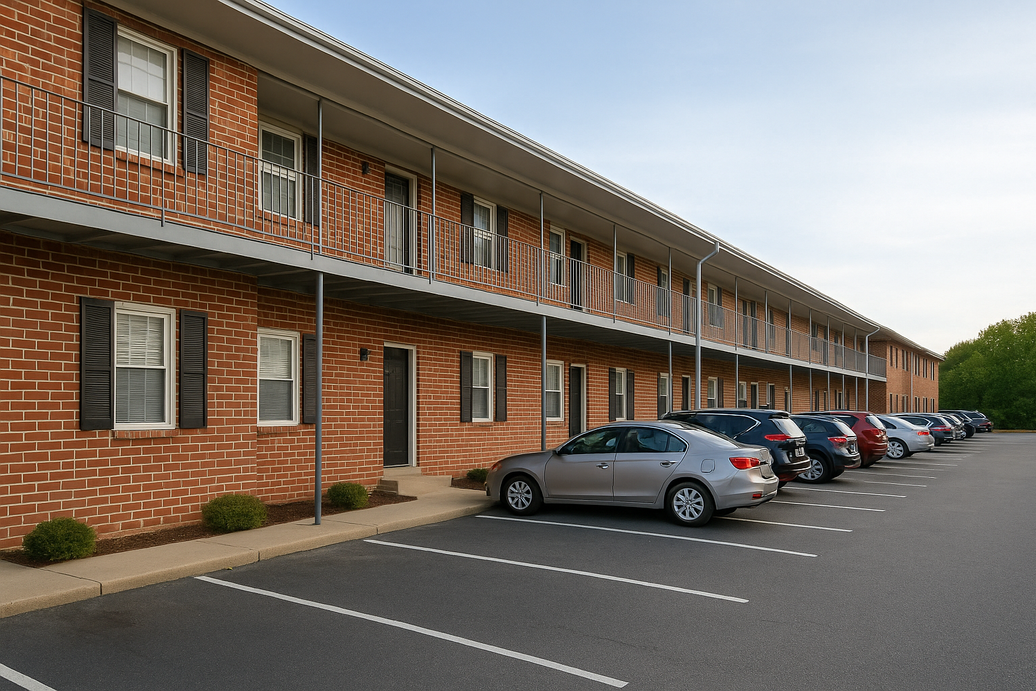
There’s a fast-growing niche in the plaintiffs’ bar focused on suing landlords and property managers after a tenant or guest is the victim of a crime. These cases usually fall under what’s called negligent security or premises liability.
The lawsuit isn’t aimed at the criminal. Instead, it claims the property owner failed to take reasonable steps to prevent a crime that was predictable.
Property Conditions That Show Up Again and Again in These Lawsuits
Certain conditions show up so often that they’ve basically become a checklist for plaintiffs’ lawyers.
- Failure to rekey after turnover
- Overgrown landscaping that gives criminals places to hide
- Burned-out or poor exterior lighting
- Doors and windows that don’t lock properly
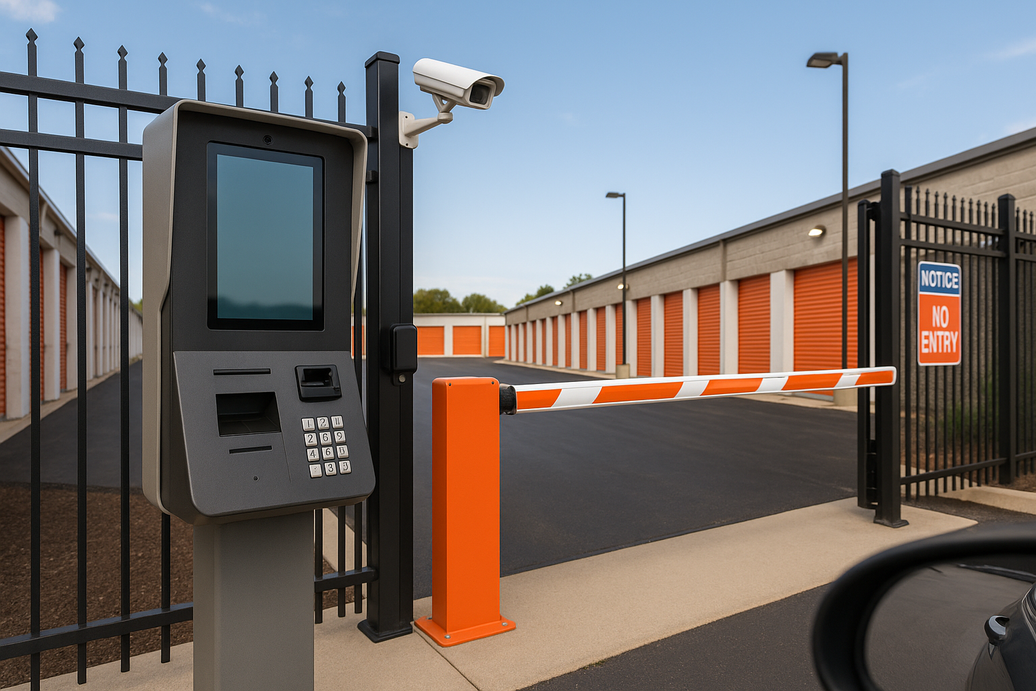
- Broken gates or fences
- Cameras broken, or present but don’t cover key areas, or signs show video surveillance but there is none, or nobody checks cameras after tenant complaints
- Ignoring prior incidents or tenant complaints
- Poor tenant screening (or inconsistent screening)
- Lack of controls over vendors, contractors, or master keys
- Doing nothing after crime increases
How Plaintiffs’ Lawyers Screen These Cases
Many law firms publish intake pages showing exactly what they look for. Here’s one example of a firm that lays out those questions directly for crime victims:
https://injurylawmn.com/when-to-contact-a-negligent-security-lawyer/
For property owners, these pages are useful because they show exactly how cases are evaluated.
Are These Lawsuits Successful? What About Settlement Amounts?
There’s no single reliable statistic on success rates or average settlements. What is clear from insurance and defense-side commentary is that these cases are being filed more often and can be very expensive to defend, even when owners ultimately win.
What Landlords Can Do Without Turning Properties Into Fortresses
Risk reduction doesn’t require armed guards or extreme measures. It requires basic discipline and documentation in the key areas: shrubs, lights, locks, gates, cameras, ignored complaints. Things break and it sometimes takes time to fix them. Policies need to change but it takes time to write them up and put into place. That’s life. Ignoring things for too long is a trip to the courthouse. Owners who have clear policies—and follow them—are in a much stronger position than those who rely on good intentions and informal practices.